Clean cut and severance
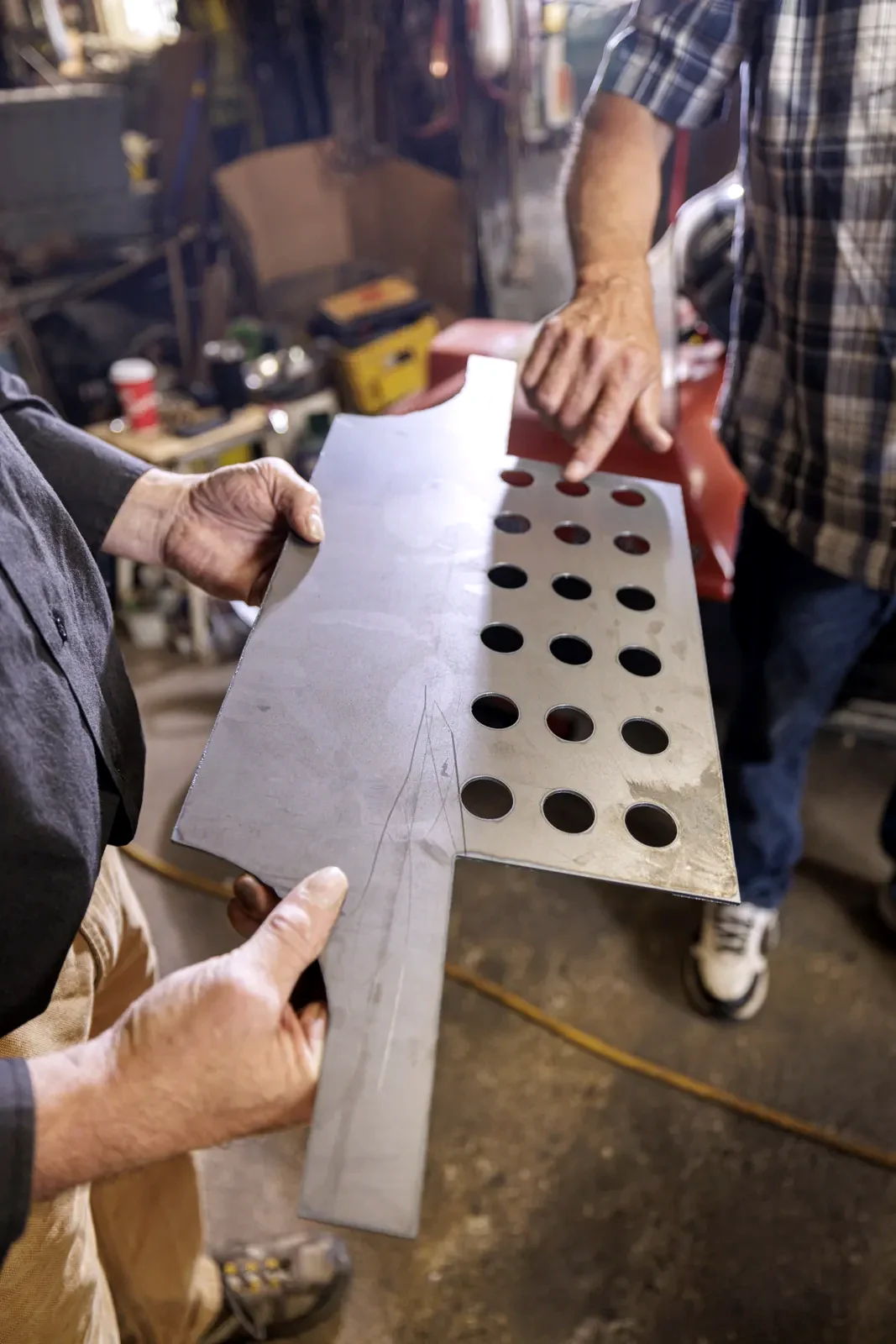
Every manufacturer quotes three thicknesses: the recommended cut (comfortable speed, sharp edge), the maximum cut (slower, some dross) and severance (the torch gets through, but the part needs grinding). For parts to be welded or painted without rework, the first value is the one that counts.
Orders of magnitude on steel
30 A: 6 to 8 mm clean, 10 mm maximum. 45 A: 12 mm clean, 16 mm maximum, 25 mm severance. 65 A: 16–20 mm clean, 25 mm maximum. 85 A: 20–25 mm clean, 32 mm maximum. 105 A: 25–32 mm clean, 38 mm maximum. These figures vary by a few millimetres from one brand to another, but the scale is right.
Stainless and aluminium
Stainless cuts at the same amperages, about 20% thinner, with a heat-affected zone to watch on food-grade parts. Aluminium cuts faster but leaves stubborn dross; count on 30% less thickness than steel. Copper and brass cut at low thickness, with a lot of spatter.
What CNC changes
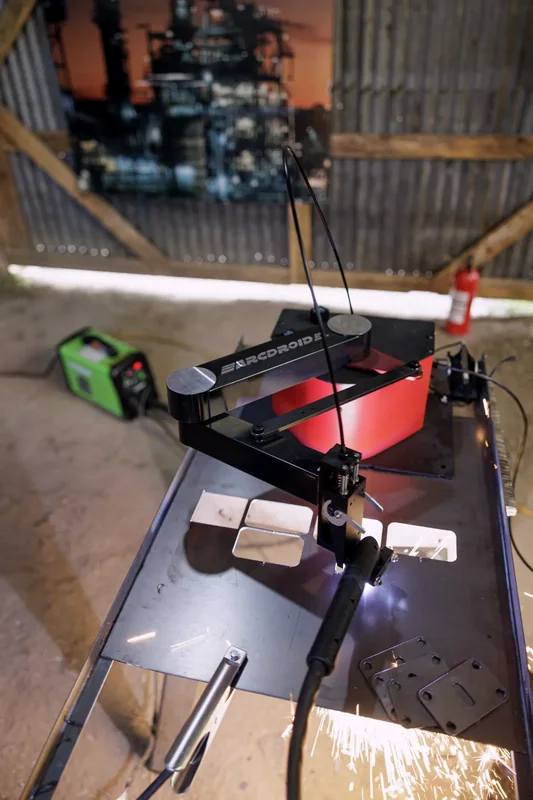
At equal amperage, a CNC machine cuts better than a hand: constant speed (so no overheated zones or lags), stable height (so a regular cut angle), and a controlled start (pierce at height, then descend). Result: you get the "clean" cut from the table where by hand you get the "maximum" cut. The trade-off: you must set the speed for each thickness — the machine manual gives the table, and you fine-tune on an offcut.
The right setting in three tries
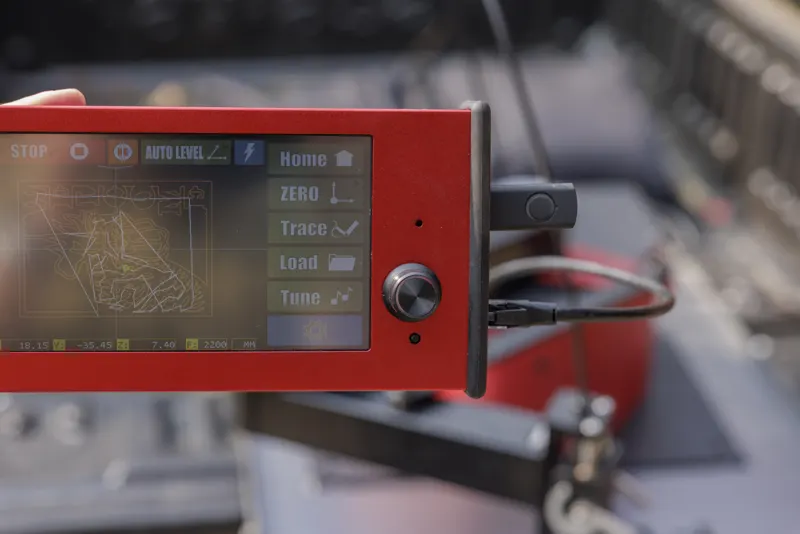
Start from the table speed. Too slow: the kerf widens, dross sticks underneath, the edge turns blue. Too fast: the arc trails, the bottom of the cut is not pierced, the part stays attached. The right speed leaves a fine dross that falls off with a finger. Cut three 30 mm squares in an offcut before starting the part.